


Partial Versus Full Highlights Explained
That photo of soft, sunlit dimension or bright, polished blonde can be tempting, but the right color service is not always the most dramatic one. When deciding between partial versus full highlights, the better choice depends on where you want to see brightness, how often you want to visit the salon, and what will keep your hair looking and feeling its best between appointments.
A thoughtful highlight service should feel personal. Your natural base color, previous color history, haircut, lifestyle, and desired maintenance all shape the result. Whether you want a subtle refresh before a busy season or a more noticeable transformation, understanding the difference helps you book with confidence.
Partial Versus Full Highlights: The Main Difference
Partial highlights brighten selected areas of the hair rather than the entire head. Most often, they are placed through the top section, around the face, and along the part line. This placement creates visible dimension where light naturally catches the hair, while leaving much of the underneath and back closer to your natural color.
Full highlights involve color placement throughout the head, including the crown, sides, back, and underneath sections. They create a more consistently bright, blended result from every angle. A full service does not have to mean very blonde or high contrast. It simply gives your stylist more coverage and flexibility to create brightness throughout the hair.
The choice is less about one service being better than the other and more about matching the service to the look you want to maintain.
Choose Partial Highlights for a Soft, Lower-Maintenance Refresh
Partial highlights are a lovely choice when you want your hair to look brighter without changing your overall color identity. They can add soft movement to brunette hair, create a delicate blonde effect, or refresh grown-out highlights around the face and crown.
Because the color is concentrated in the most visible areas, partial highlights can make a meaningful difference with less processing than a full session. They are especially appealing for first-time highlight guests who want to ease into color, as well as clients who enjoy a natural, lived-in finish.
A partial highlight appointment may be right for you if you want a few brighter pieces around your face, prefer subtle contrast, or usually wear your hair down with little concern about how bright the underneath appears. It can also be a practical maintenance appointment between full highlight visits.
For many guests, the face-framing effect is the real appeal. A few carefully placed lighter pieces can bring warmth and softness to the complexion, make a fresh haircut stand out, and give everyday blowouts more dimension. The result can feel refined rather than overly done.
What partial highlights do not always achieve
Partial highlights have limits, particularly if your goal is a noticeably lighter overall appearance. If you frequently wear your hair in a ponytail, bun, braid, or half-up style, the untouched hair underneath may be more visible. Similarly, if your existing highlights have grown out significantly throughout the back and lower layers, a partial service may not provide the even refresh you have in mind.
A partial service is also not automatically the gentlest option in every situation. Hair health depends on your starting point, prior lightening, the amount of lift desired, and the care you use afterward. Your stylist can recommend a placement plan that respects the condition of your hair.
Choose Full Highlights for Brighter, All-Over Dimension
Full highlights are designed for guests who want a more complete color experience. By placing highlights across the entire head, your stylist can create brightness that looks intentional whether your hair is worn down, curled, straightened, or pulled back.
This service is a strong option when you want to move toward a lighter overall look, refresh faded color from roots to ends, or blend a larger amount of gray. It also works beautifully for clients with thick hair or longer lengths, where limited top-section highlights may not create enough visible dimension.
A full highlight can be customized in countless ways. Fine, closely placed highlights can create a soft, expensive-looking blonde with minimal contrast. More spaced placement can preserve depth while adding pronounced ribbons of brightness. The tone can be cool, creamy, golden, beige, caramel, or somewhere in between. The service is comprehensive, but the finished result can still look natural.
The trade-off: time, investment, and aftercare
Because full highlights require more sections and more detailed color placement, the appointment generally takes longer and costs more than a partial service. If substantial lightening is involved, it may also require additional care to maintain moisture, shine, and strength.
That does not mean full highlights are high-maintenance by definition. A skilled stylist can create a soft root area and blended dimension that grows out gracefully. Still, clients seeking a consistently bright look often benefit from regular toning, gloss appointments, and professional home care that supports color longevity.
If your hair has been previously colored dark, heavily lightened, or exposed to frequent heat styling, be open to a gradual plan. Achieving a lighter result while protecting beautiful, healthy hair can take more than one appointment. Patience is often what makes the final color look polished instead of compromised.
Consider Your Lifestyle Before You Book
The mirror is only part of the decision. Think about how you actually wear your hair during workdays, workouts, special events, and weekends. If you regularly pull your hair up and want brightness visible throughout, full highlights may make more sense. If you mostly wear your hair down and want an elegant refresh around the face, partial highlights may give you exactly what you need.
Your schedule matters, too. Partial highlights can be an appealing option when you want salon color with a shorter appointment and a lighter maintenance commitment. Full highlights are ideal when you are ready to devote more time to a complete refresh and enjoy a brighter result from every angle.
Budget is another practical consideration, but it should be viewed alongside your long-term color plan. A partial highlight may be perfect for routine maintenance, while a full highlight may be the wiser investment if you are trying to correct uneven color or achieve consistent brightness. During a consultation, your stylist can help you map out the appointments that make the most sense for your goals.
Your Starting Hair Color Changes the Outcome
Highlights do not look the same on every base color. On naturally darker brunette hair, a partial highlight can create striking contrast near the face, while full highlights offer a more diffused, dimensional result throughout. On medium brown or dark blonde hair, both services can look soft and sun-kissed, depending on placement and tone.
For natural blondes, partial highlights are often enough to maintain brightness at the crown and hairline. Full highlights can be useful when the overall blonde has become dull, uneven, or too dark underneath. On red, copper, or warm brunette hair, strategic highlights can add richness and light without losing the beautiful depth that makes the base color distinctive.
Previously colored hair deserves an especially honest consultation. Existing bands, dark box color, old highlights, and uneven porosity can affect how the hair lifts. A stylist may suggest a different technique, a toner, a gloss, or a gradual approach rather than promising a one-appointment result that is not realistic for your hair.
How to Maintain Highlights Between Appointments
Both partial and full highlights benefit from intentional care. Use salon-quality products recommended for your hair type and color needs, particularly a gentle shampoo, nourishing conditioner, and heat protectant. Lighter pieces can become dry or lose their preferred tone when they are exposed to frequent hot tools, hard water, sun, or chlorine.
A gloss or toner appointment can refresh shine and adjust unwanted warmth without repeating a full lightening service. For blonde and cool-toned highlights, purple shampoo may help occasionally, but overusing it can leave hair looking dull or overly muted. Your stylist can advise you on how often it makes sense for your shade.
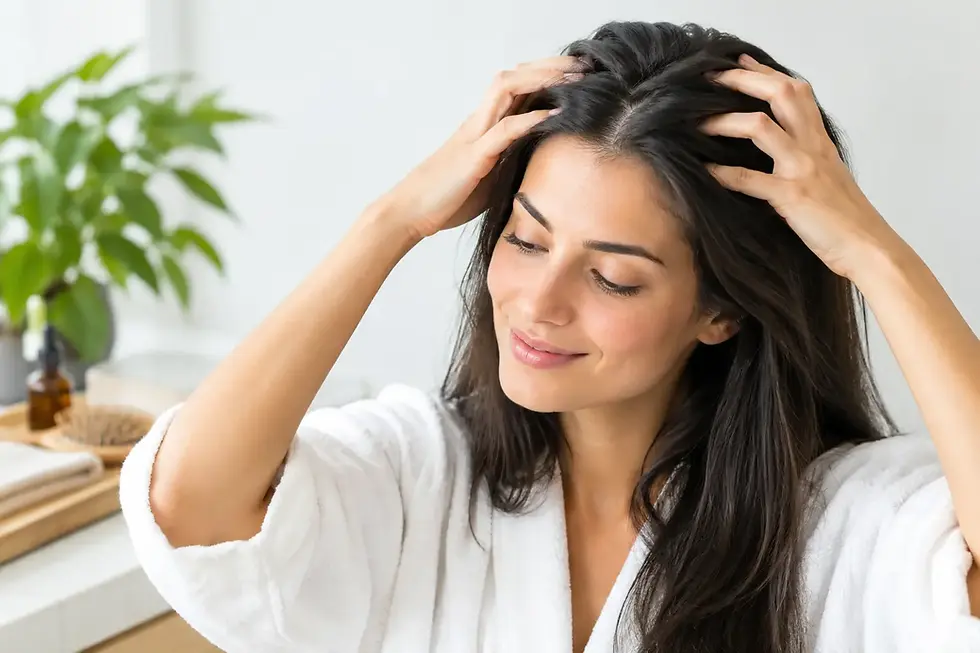
Hydration is just as essential as tone. Regular conditioning treatments, thoughtful heat styling, and trims when needed help highlighted hair remain soft, reflective, and easy to style. If your scalp feels dry or product buildup is weighing down your roots, a restorative scalp-focused treatment can support a cleaner, more comfortable foundation for healthy-looking hair.
Ask for the Result, Not Just the Service Name
The most helpful way to approach your appointment is to describe the effect you want. Say whether you want to look subtly brighter, noticeably blonder, more dimensional, lower maintenance, or refreshed around the face. Share how often you want to return, how you style your hair, and whether you want your natural depth to remain visible.
At CJ Beauty Hair Salon, a personalized color consultation can turn those preferences into a highlight plan that feels polished, wearable, and tailored to you. Bring inspiration photos if you have them, but also be ready to discuss what is realistic for your current hair and how much maintenance fits your routine.
The right highlight choice should leave you feeling like yourself, only brighter. Book the service that supports the look you want now, and let your next color appointment be a moment of care as well as a beautiful refresh.


Comments